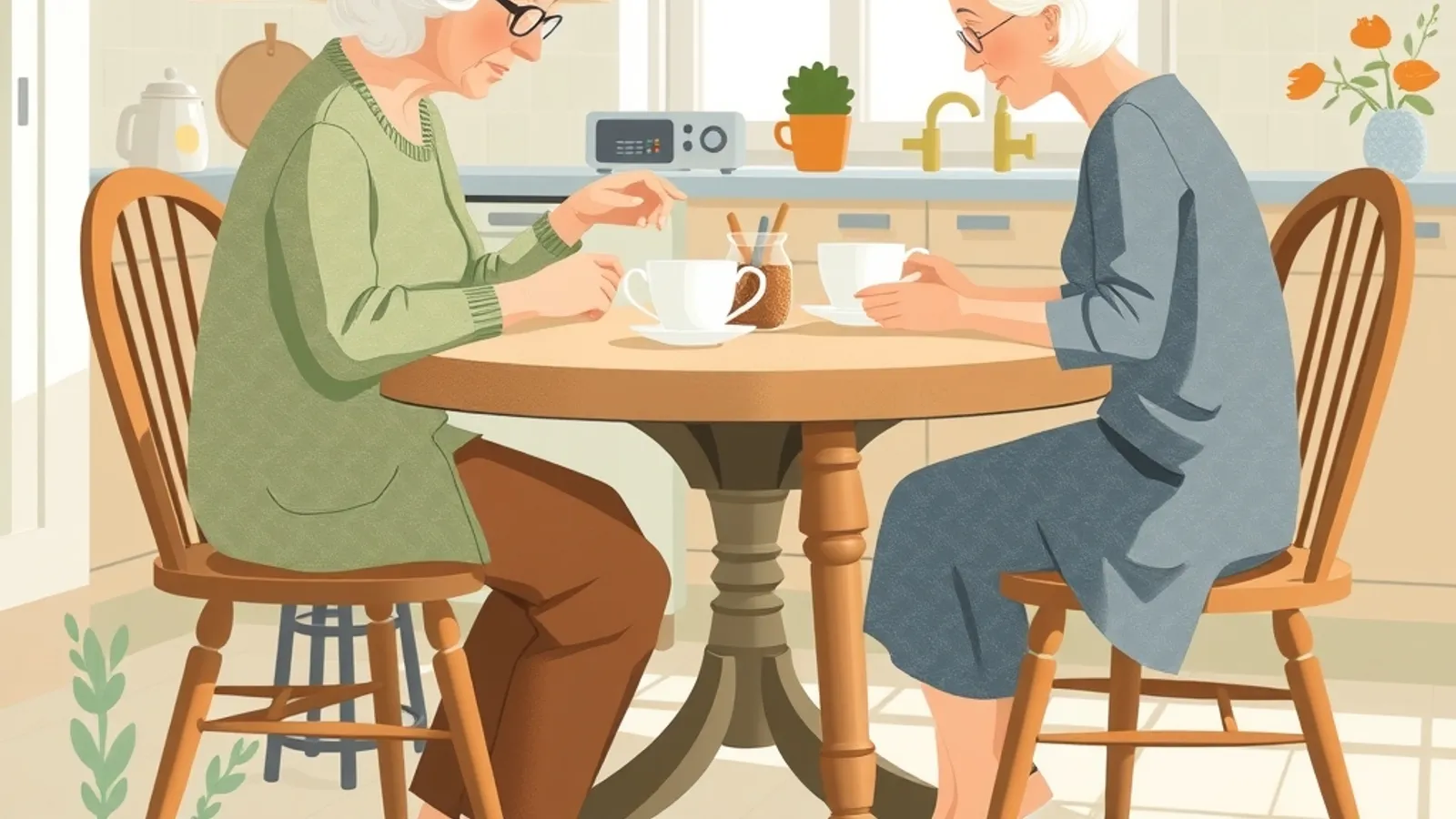
Choosing between care at home and a care home can feel like a decision about independence versus safety. In practice, either option may support dignity and choice, and neither is right for everyone. Begin with the older person’s priorities, then look at the care that can actually be arranged and sustained.
Terms, services, costs and eligibility rules differ between countries and even between local areas. This guide offers a decision-making framework, not a recommendation for a particular service. Ask local health and social care services what assessments, funding routes and care options apply where you live.
What do the options involve?
Home care usually means support provided in the person’s own home. It might involve scheduled visits for tasks such as washing, dressing, meals or household routines. Depending on local services, needs and budget, support could also include longer visits, overnight help, live-in care or help from family and friends. A visiting service does not automatically mean someone is present between visits, so check the schedule and what happens if needs change.
A care home is a place where someone lives and receives care. The type of support, staffing, overnight arrangements, nursing services, activities and visiting arrangements vary. Ask what a particular home provides rather than relying on its name or description. In some places, residential and nursing care are distinct categories; in others, terminology and arrangements differ.
Home support can sometimes be increased gradually, while a move may bring more care and daily activities together in one place. Neither option guarantees a particular level of companionship or continuity: these depend on the person, the service and the arrangement.
Start with the person’s priorities
If possible, have the conversation with the older person, not only about them. Ask what matters most in daily life: familiar surroundings, privacy, company, routines, access to outdoor space, proximity to family, or having help available quickly. Listen for concerns as well as preferences, and revisit the discussion if it is difficult to decide at once.
Write down what support is needed on a typical day and what can vary. Include practical details such as:
- Getting up, washing, dressing and using the toilet.
- Preparing food, eating and drinking, and keeping the home in order.
- Getting to appointments, moving around indoors and outdoors, and social contact.
- Support during the night, at weekends or when the usual family helper is unavailable.
- Changes in routine, memory, communication or confidence that affect everyday support.
A care needs assessment checklist can help organise observations and questions. It is not a diagnosis or a substitute for an assessment by a qualified local professional.
Compare safety and practical coverage
Rather than asking only, “Is it safe to stay at home?”, identify specific situations and the support needed for each. For example: Is there help at the times personal care is needed? Can the person get assistance if they need it between visits? Are there concerns about falls, missed meals, isolation or being alone overnight? What changes to the home or routine might help?
A home safety review may identify practical changes, but it cannot replace care that is needed throughout the day or night. Ask a doctor, occupational therapist or relevant local service to assess concerns that need professional input. If there is an immediate danger, use local emergency services.
For a care home, ask how staff respond to requests for help, what support is available overnight, how personal routines and privacy are respected, and what happens if the person’s needs become more complex. If possible, visit at different times, speak with staff and residents or families, and review the written service information. Check which services are included and which may be arranged separately.
Include family capacity and cost
Home care may involve a mix of paid visits and unpaid help. Be specific about who can do what, how often, and for how long. A plan that depends on one relative being available every day may not be sustainable. Consider work, travel time, health, rest and other caring responsibilities. The weekly care schedule builder can help show where there are gaps; a family responsibility planner can make agreed tasks clearer.
Compare the total cost of each workable option, not just an hourly rate or weekly fee. Depending on local arrangements, costs may include transport, equipment, meals, home adaptations, extra care hours or services charged separately. Also ask whether public support, insurance or other assistance may be available in your area. Rules and eligibility differ by country and locality, so confirm details with the relevant local authority, service or adviser. The care cost comparison calculator can help you list and compare expenses; it does not determine eligibility or replace local financial guidance.
Make the decision in manageable steps
- Agree on the priorities. Note what the older person wants to keep, what support is essential and what concerns need answering.
- Ask for a local assessment. A doctor or local health and social care service can help identify support needs and explain what assessment or services are available. The name and route for these services vary by country.
- Compare real arrangements. Get clear details on visit times, staffing, night support, services, charges, waiting times and what happens if needs change. Where possible, compare more than one provider.
- Look for a workable first step. Depending on availability, this might be trial visits at home, additional support for a defined period, respite, or visiting a care home. Ask providers what can be trialled and what the terms are.
- Set a review point. Agree who will check whether the arrangement is working and when you will talk again. Record changes in needs, missed support, stress and the older person’s experience.
A decision does not have to be permanent to be thoughtful. A short-term arrangement may help the family learn what works, but check availability, cost and conditions before relying on it.
When the current arrangement is no longer working
Revisit the plan if the person’s needs change, support is repeatedly missed, the home setup no longer works, or family carers cannot continue at the same level. These are reasons to seek a fresh assessment and discuss alternatives—not proof that anyone has failed. If a move is being considered, involve the older person as much as possible and ask about timing, belongings, familiar routines, visits and how care information will be shared.
Keep notes of questions and decisions. A care visit handoff form can help communicate practical information between relatives and paid carers. If there is a disagreement, ask the local service or a qualified independent adviser what support is available in your country.
The most useful choice is the one that respects the person’s wishes while providing dependable support—and can be reviewed when circumstances change.
Sources
- Ageing and health — World Health Organization
- Social care and support guide — NHS
- Homecare — Age UK
CareTaskNest helps families organize everyday care. It does not provide medical advice, diagnosis or treatment. In an emergency, call your local emergency number.