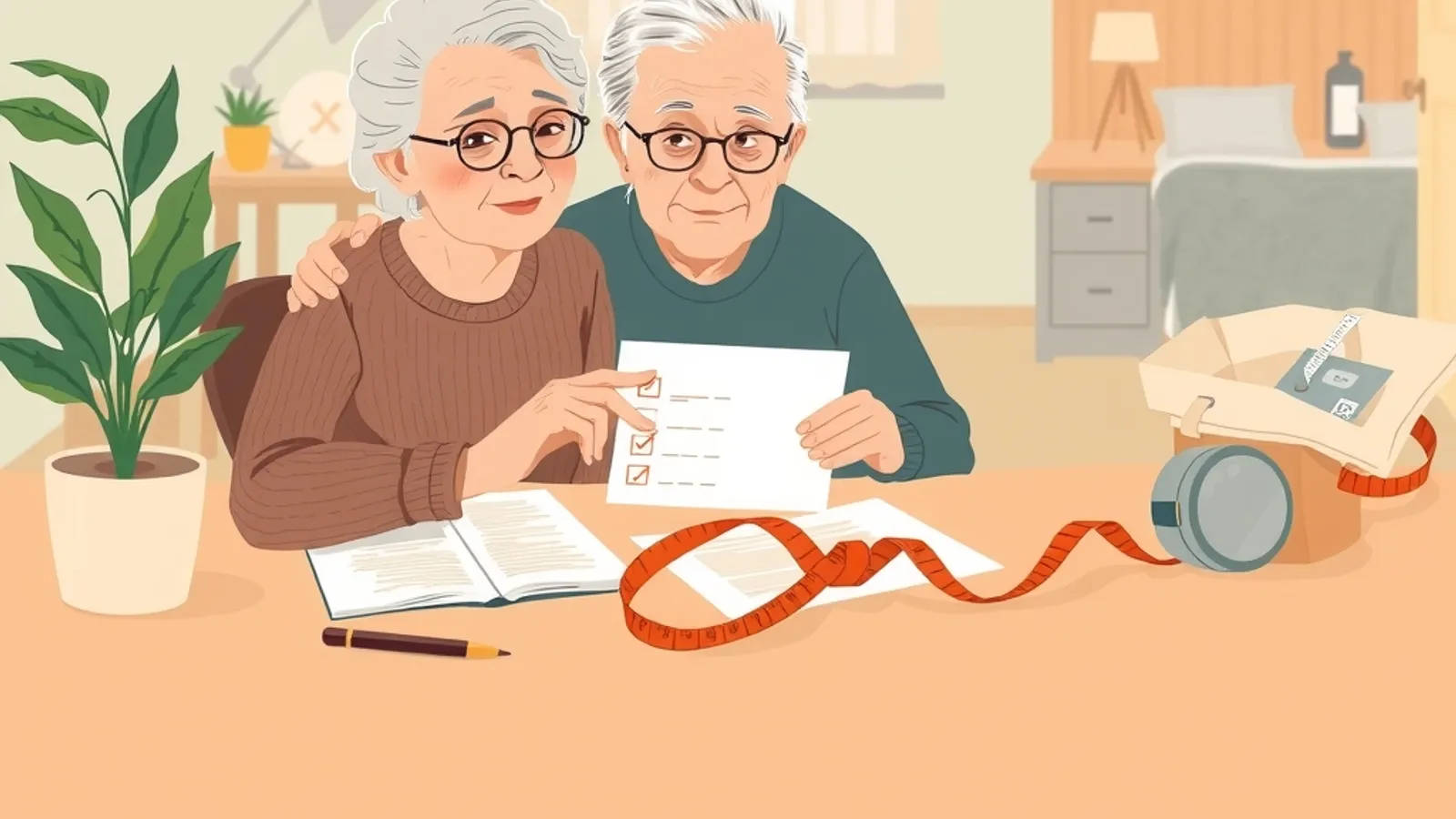
Moving a parent into your home can make everyday support easier and help you spend more time together. It is also a significant change for everyone in the household. Planning ahead can clarify what your parent wants, what you can realistically offer and what other support may be needed.
Use this checklist as a starting point, not a test you have to pass. Needs and family circumstances vary, and the plan can change over time.
1. Talk before you decide
If possible, include your parent in the planning from the start. Ask what matters most to them: keeping familiar routines, having a private room, staying near friends, or being involved in household life. Discuss what they would find difficult about moving, too.
Have a practical conversation about:
- What support they need now, and what might change over the next year.
- Which tasks they want help with and which they prefer to do themselves.
- How much privacy and independence each person expects.
- Whether pets, visitors, meals, smoking, noise or shared spaces need discussion.
- What everyone would do if the arrangement stopped working.
Where possible, try the new routine before making a permanent change. A visit, short stay or trial period may help everyone notice what needs adjusting. Avoid presenting the move as settled if your parent has not had a meaningful chance to express their view.
2. Get a clear picture of support needs
Write down the everyday tasks your parent manages independently and the ones where support would help. Consider personal care, meals, getting around, appointments, household tasks, social contact and overnight needs. Note what support is already provided by relatives, paid carers or community services.
Ask your parent what they want shared with family, and who should be involved in decisions. If their needs are changing, or you are unsure what level of support is appropriate, talk with their GP or a local care or social services professional. Services and eligibility rules differ by country and region. For example, the UK’s NHS explains how to ask local social services about help at home; other countries have their own assessment routes.
A care needs assessment checklist can help you organise questions and observations. It does not replace an assessment by a professional.
3. Make the home workable
Walk through the home with your parent, thinking about the route they will use each day: entrance, bedroom, bathroom, kitchen and living areas. Look for loose rugs, cluttered walkways, poor lighting, steep steps and places where a handrail might be useful. Ask before rearranging belongings; familiar objects can matter, and your parent should have a say in changes to their space.
Consider practical details:
- Can your parent get in and out of the home and move around the main rooms comfortably?
- Is there a suitable bedroom with enough room for belongings and, if needed, care equipment?
- Can the bathroom be used safely and with privacy? Would a professional home assessment help identify adaptations?
- Are frequently used items easy to reach without climbing or stretching?
- Is there a plan for smoke alarms, emergency contacts and getting help if someone falls or feels unwell?
A home safety checklist for older people can guide a room-by-room review. The US Centers for Disease Control and Prevention also offers information on falls among older adults and prevention; the details are useful to consider, though local advice and building requirements may differ.
4. Agree on care roles and backup
Do not assume that one person will quietly take on every task. List the jobs that need doing and agree who will handle each one, including family members who do not live in the home. Be specific about frequency and backup: “help with shopping” is less clear than “shop on Thursday, with another person available if plans change.”
Think about support beyond the household, such as paid care, transport, meal services, day programmes or respite. What is available and how it is funded varies by location. Ask local services what options, assessments or eligibility rules apply. If a carer will visit, discuss access, communication and what information they need.
A weekly care rota builder can make responsibilities visible. A family responsibility planner can help relatives agree on who does what. Include time for your own work, sleep, relationships and rest; a plan that depends on one exhausted carer is unlikely to be sustainable.
5. Discuss costs and local rules
Before the move, talk openly about how the arrangement may affect household spending. Consider food, utilities, travel, home adaptations, equipment, paid care and any changes to working hours. Decide how shared expenses will be handled and keep records if that will help avoid misunderstandings. A home care cost calculator can help you list possible care-related costs; it cannot account for every local price or funding rule.
Rules about property, benefits, tax, tenancy, insurance, decision-making authority and paying relatives differ by country and sometimes by region. Do not assume that moving in automatically changes ownership or gives someone authority to make decisions. If these questions matter, check with the relevant local agency or a qualified solicitor, financial adviser or benefits adviser. This guide is not legal or financial advice.
6. Prepare information and the move
Make sure the people involved know whom to contact and where essential information is kept. With your parent’s agreement, gather current contact details for their GP and other care professionals, allergies or important health information, and details of any support already in place. Keep private information secure and share only what is needed.
Before moving day:
- Confirm transport, timing and who will help pack and unpack.
- Set up the bedroom and bathroom before arrival, if possible.
- Label or arrange frequently used items in a way your parent finds helpful.
- Make a simple plan for meals, visitors and the first few days.
- Review how to contact local emergency services and the person to call if you are unavailable.
A older person's emergency information sheet can help collect key contacts and details. Check that information is accurate and update it when circumstances change.
7. Make room for adjustment
The first few days may feel unfamiliar, even when everyone agreed to the move. Keep some familiar routines, belongings and social connections where possible. Ask your parent what’s working, rather than assuming that being quiet means they’re content. You can also be honest about what’s difficult for you.
Set a date to review the arrangement after a few weeks, then check in regularly. Talk about privacy, household routines, care tasks and whether anyone needs more support. If needs change, ask a GP or local care service about the next steps. If the arrangement is causing ongoing strain, consider what additional help or alternative living arrangements might be workable; discussing options is part of planning, not a failure.
A quick final check
Before the move, make sure you’ve discussed your parent’s wishes, reviewed the home, shared responsibilities, planned costs and checked local rules. After the move, keep listening and adjust the plan together. The aim isn’t a perfect household routine; it’s a respectful arrangement that can work for your parent and the people supporting them.
Sources
- Aging in Place: Growing Older at Home — National Institute on Aging
- About Older Adult Falls — Centers for Disease Control and Prevention
CareTaskNest helps families organise everyday care. It does not provide medical advice, diagnosis or treatment. In an emergency, call 999 (or 112).