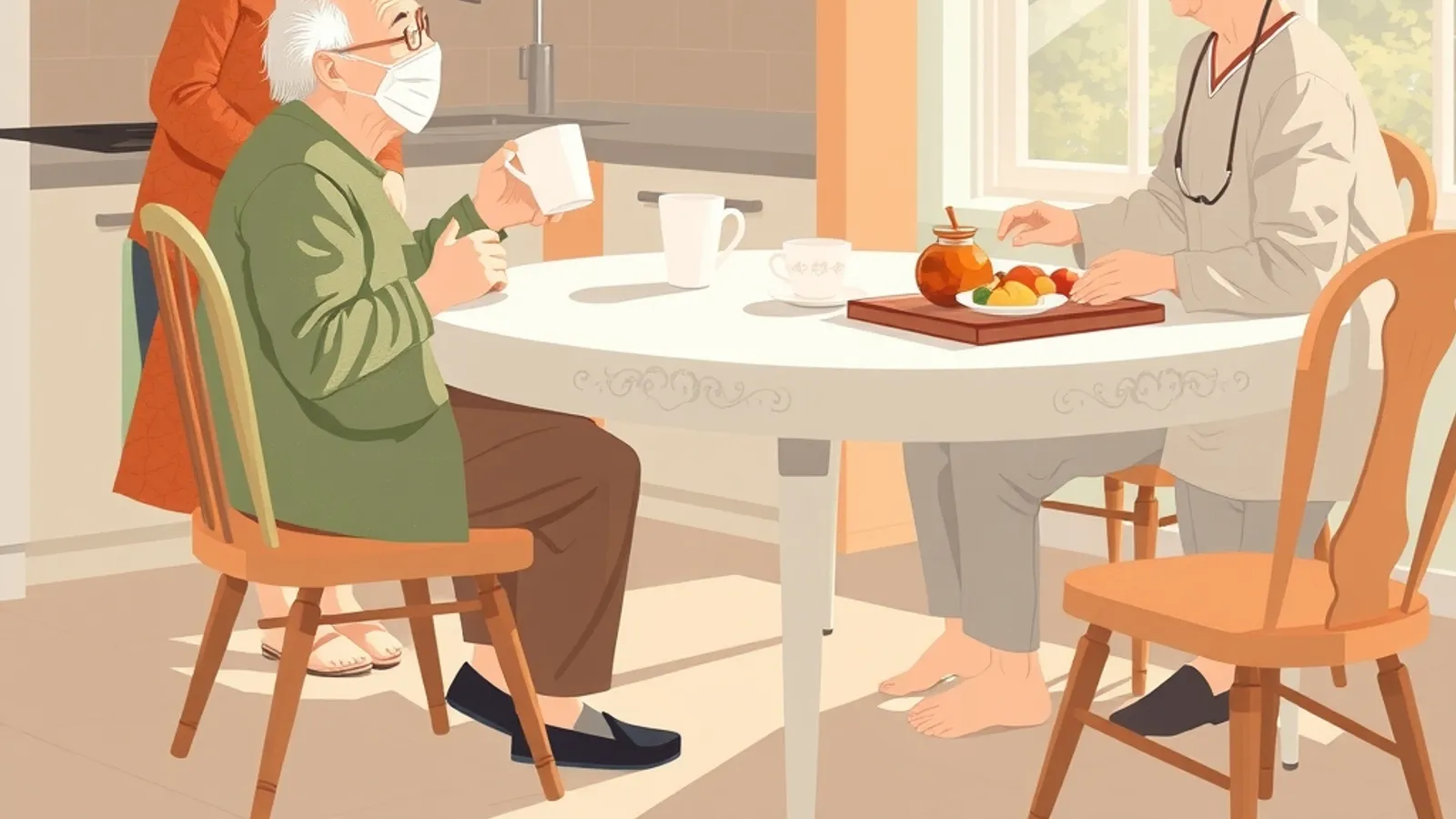
COPD (chronic obstructive pulmonary disease) is a long-term lung condition that makes it harder to move air in and out of the lungs. It can affect breathing, energy and everyday activities. Everyone’s experience is different: some people have fairly steady symptoms, while others have periods when their breathing or coughing gets worse. [1]
As a family carer, you can help with daily routines, notice changes and make sure the person knows how to contact their care team. You do not need to assess or treat breathing problems yourself. Ask the person’s doctor or respiratory team to explain their individual plan and which changes need action.
What to expect over time
There is no single timetable for COPD. Some people remain active with support; others gradually need more help with tasks such as dressing, washing, cooking or getting around. A flare-up—when symptoms get worse than usual—may lead to a temporary setback, and recovery can take time. The person may also have other health conditions that affect how they feel.
Clinicians may describe COPD using test results and symptoms, but labels or stages cannot tell a family exactly what will happen next. Avoid comparing your relative’s experience with someone else’s. Instead, ask the care team what changes are likely for them, what support may help and when to review their needs. [2]
Everyday support at home
Small adjustments can make daily activities less tiring. Ask the person what they find helpful, and let them do what they can at their own pace.
- Plan around energy. Break tasks into smaller steps, allow rest breaks and schedule demanding activities for the time of day when the person usually feels best.
- Make essentials easy to reach. Keep frequently used items nearby and reduce unnecessary trips between rooms. A home safety check can help identify clutter, poor lighting or other avoidable hazards. Try the home safety checklist.
- Support comfortable positioning. Ask the respiratory team to show the person positions or breathing techniques they find useful. Do not push them to continue an activity if their breathing becomes uncomfortable.
- Keep a simple record. Note changes in breathlessness, cough, sputum, sleep, activity and appointments, along with the care team’s advice. A Carer's daily log generator can help you share clear observations.
- Follow the agreed plan. Use medicines and equipment only as prescribed. Don’t start, stop or change medicines, or alter oxygen settings, unless the person’s clinician has instructed you to do so.
If the person uses oxygen at home, ask their provider for clear written instructions about the equipment and what to do if it stops working. Oxygen increases fire risk: follow the provider’s safety rules, keep it away from smoking, flames and other ignition sources, and do not allow smoking near the equipment. [4]
Prepare for flare-ups and urgent changes
A COPD flare-up can involve a noticeable worsening of usual symptoms, such as increased breathlessness, cough or sputum. The person’s own plan may specify who to contact and what steps to take. Ask the clinician for a written action plan, including out-of-hours contact details, and make sure everyone involved in their care knows where it is kept. [2]
Contact the person’s doctor or respiratory team promptly if symptoms are getting worse or are not settling in the way their plan describes. If they are severely short of breath, suddenly much worse than usual, unable to speak because of breathlessness, confused, unusually drowsy, fainting, or have blue or grey lips or skin, seek emergency help using your local emergency number. New or severe chest pain also needs urgent assessment. Do not wait for a routine appointment if you are worried they may be in immediate danger.
Write down the person’s diagnoses, allergies, current medicines and key contacts in an accessible place. A senior emergency information sheet can help family members and responders find important details. Keep the local emergency number and the respiratory team’s contact information readily available.
Work with the care team
The person’s doctor or respiratory team can explain how to recognise changes, review inhaler or equipment instructions, and advise whether services such as pulmonary rehabilitation are suitable. Pulmonary rehabilitation is a structured programme for people with lung disease; ask the care team what is available locally and whether it suits the person’s needs. [1][3]
For appointments, bring a short list of questions and your notes about changes at home. Useful questions include: “What should we expect when symptoms are stable?”, “Which changes mean we should call you?”, “Who do we contact outside office hours?” and “What should we do if the oxygen equipment or other prescribed equipment has a problem?” With the person’s agreement, join appointments or share your observations with the clinician.
Share the caring role—and look after yourself
Breathing problems can mean plans change at short notice. Agree with family or friends who can help with meals, errands, transport or spending time with your relative. A shared schedule can make responsibilities clearer and give each carer breaks.
Caring can be demanding even when you love the person deeply. Notice whether you are regularly missing sleep, skipping your own appointments or feeling unable to carry on. Tell someone you trust and ask the care team or local support services about respite and carer support. If you feel overwhelmed or unsafe, seek help promptly. Your wellbeing matters, too.
Sources
- Chronic obstructive pulmonary disease (COPD) — World Health Organization
- Chronic obstructive pulmonary disease (COPD) — NHS
- Chronic obstructive pulmonary disease in over 16s: diagnosis and management (NG115) — National Institute for Health and Care Excellence
CareTaskNest helps families organise everyday care. It does not provide medical advice, diagnosis or treatment. In an emergency, call 999 (or 112).